
Most people think Google crushed Bing because it had a better product.
Better algorithm. Better results. Better speed. But that’s not the real reason Google won. Google won because it became the category and once a company becomes the category leader in people’s minds, competing against it becomes incredibly difficult.
This is one of the biggest misunderstandings in modern business. People assume markets are won through product superiority. But category leaders rarely win because they are objectively “better.” They win because they become the default.
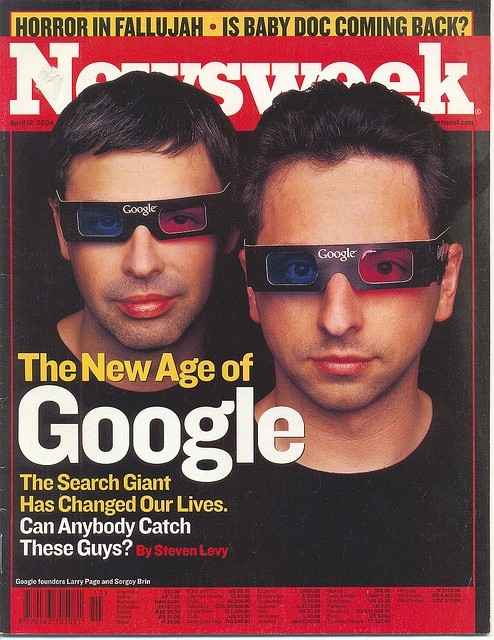
Google didn’t become just another search engine.
It became search itself.
Google Didn’t Invent Search
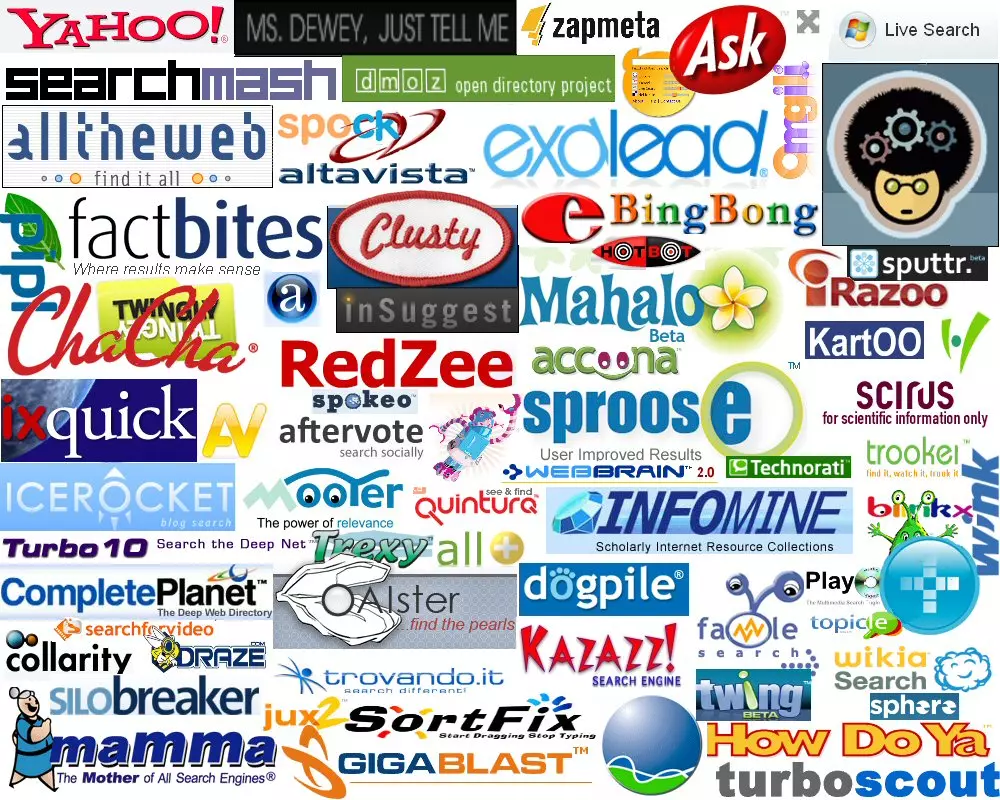
Before Google existed, the internet already had search engines everywhere.
AltaVista. Yahoo. Ask Jeeves. Lycos. Infoseek.
Search was not a new idea. In fact, many of those platforms were already huge.
But they all approached search the same way. Crowded portals, endless directories, and pages overloaded with links, banners, and distractions.
Google changed the experience entirely. The homepage was almost empty. One search bar. One action. One expectation: type what you want and instantly get the best answer.
That simplicity mattered.
But more importantly, Google reframed what search was supposed to feel like.
Instead of “browsing the internet,” Google trained people to expect immediate answers. And once that expectation became standard, the category belonged to them.
Being First Isn’t the Same as Being First in Mind
Google was not the first search engine. It became first in mind. That distinction changes everything.
Most companies obsess over launching first. But customers rarely remember who launched first. They remember who defined the story.
Facebook wasn’t the first social network.
Tesla didn’t invent electric cars.
Zoom didn’t create video calls.
Yet each became the mental reference point for its category.
That’s because the brain naturally simplifies decisions by assigning one dominant name to every category.
Google = Search.
Tesla = Electric Cars.
Amazon = Online Shopping.
Once that association happens, competitors stop being evaluated independently. They become comparisons to that one dominant name; and comparisons are dangerous.
Bing Entered the Wrong Battle
When Microsoft launched Bing, it wasn’t entering an open market, it was entering Google’s market.
That meant Bing was immediately framed as “an alternative to Google” instead of something entirely new and that positioning alone made a true win almost impossible.
Because once customers already trust a category leader, “better” usually is not enough to change behaviour. This is the category trap of companies competing inside someone else’s category instead of designing their own.
Microsoft tried to win through features, integrations, partnerships, and advertising campaigns. Google had already won the perception war years earlier; and perception compounds.
The more people used Google, the more data Google gathered. The more data it gathered, the better the experience became. The better the experience became, the more people trusted it.
A looping cycle of compounding category wins.
Why “Better” Is Usually a Weak Strategy
Most companies position themselves the same way: We’re faster. Cheaper. Higher quality. More advanced.
But markets rarely reward incremental improvements. They reward clear mental ownership of the category. The biggest opportunity comes from being different, not better.
That’s why Bing struggled. Even if someone believed Bing had better features in certain areas, it still lived inside Google’s framing of the category. And when you live inside someone else’s category, you inherit their rules.
You become the alternative instead of the default.
Google Became a Verb
This is when category leadership reaches its highest form.
People stopped saying “search for it online.”, they started saying “Google it.”
Very few brands ever reach this level because becoming a verb means the company no longer represents just a product. It represents behaviour itself.
That is category domination.
The company becomes psychologically inseparable from the problem it solves and once that happens, replacing it becomes incredibly difficult.
Not because competitors are weak , but because human behaviour becomes locked around the category leader.
The Real Lesson
The Google vs Bing story is not really about search engines, it’s about positioning.
Most companies are trying to improve inside crowded markets. Very few are trying to redefine the market itself.
That’s why most businesses compete endlessly on features, pricing, speed, quality, or performance.
Meanwhile, category leaders compete on perception and perception scales faster than features ever will.
Because the company that owns the story usually owns the market.
Final Thoughts
Google did not crush Bing because it built a better search engine. It crushed Bing because it became the name people associated with search itself.
That’s the difference between a product leader and a category king.
One competes for customers, the other becomes the default choice before the customer even decides.
Read more