
When Tesla launched its first vehicle in 2008, the company entered a market that already had a recognized leader in electric mobility.
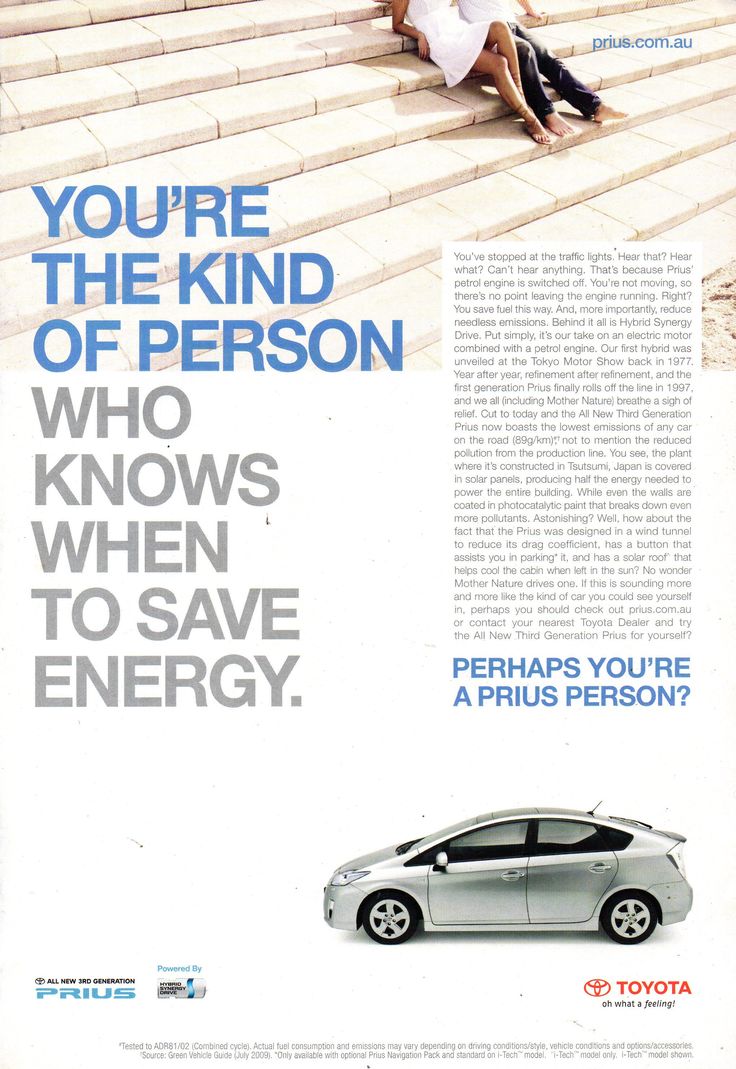
The Toyota Prius had become the symbol of environmentally conscious transportation. For many consumers, it represented the future of driving. It was efficient, practical, and widely associated with sustainability.
If Tesla had followed conventional business logic, the company's objective would have been straightforward: build a better Prius.
Create a more efficient battery. Improve the driving experience. Lower the cost. Convince consumers that Tesla offered a superior version of an existing product.
Instead, Tesla chose a completely different path.
Rather than competing within the category the Prius had established, Tesla changed the category itself.
That decision helps explain why Tesla became one of the most valuable automotive companies in the world while many other electric vehicle manufacturers struggled to differentiate themselves.
The Problem with Competing Inside Existing Categories
Most companies enter markets that are already defined.
Customers understand the category. Competitors have established expectations. Buyers have developed assumptions about what products in that category should look like, how they should behave, and who they are for.
While this may seem advantageous, it often creates an invisible constraint.
The moment a company enters an existing category, it inherits the category's rules.
In the case of electric vehicles, those rules had largely been shaped by the Prius.
Electric cars were viewed primarily as practical alternatives to traditional vehicles. They appealed to environmentally conscious consumers who were willing to sacrifice excitement, performance, or status in exchange for sustainability.
Whether accurate or not, that was the perception attached to the category.
Any company attempting to build a "better Prius" would still be operating inside those assumptions.
The discussion would revolve around battery life, fuel efficiency, pricing, and environmental benefits.
The winner would simply be the company that appeared marginally better than the alternatives.
Tesla Changed What Electric Cars Meant
Tesla recognised that the larger opportunity was not improving the category but redefining it.
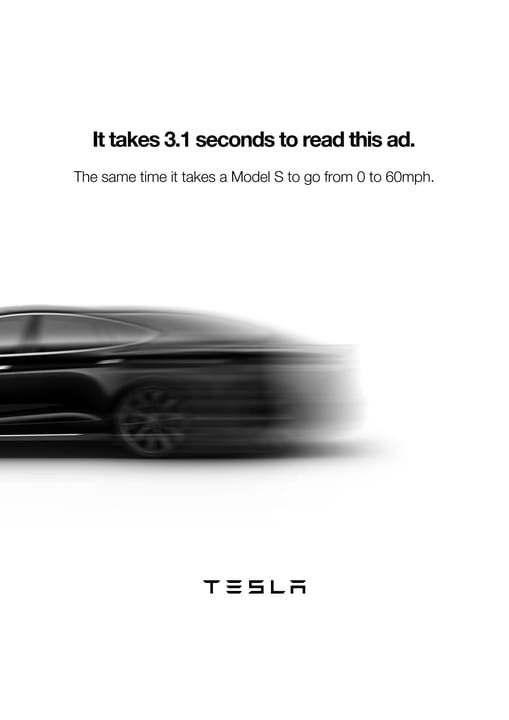
Instead of positioning electric vehicles as responsible transportation, Tesla positioned them as desirable transportation.
The company's early messaging focused on performance, technology, innovation, and design. The Roadster could accelerate faster than many sports cars. The Model S competed with luxury vehicles rather than economy cars. Tesla stores looked more like technology showrooms than traditional dealerships.
The company was not asking consumers to make a sacrifice for sustainability. It was offering something aspirational.
As a result, Tesla shifted the conversation away from environmental responsibility and toward a completely different idea: the future of driving.
This may appear subtle, but it fundamentally changed the market. Consumers were no longer comparing Tesla to the Prius. They were comparing Tesla to BMW, Mercedes-Benz, Porsche, and eventually every major automotive manufacturer.
The category itself had expanded.
Why Category Leaders Change the Frame
A pattern appears repeatedly when studying category-defining companies.
The organizations that create disproportionate value rarely succeed because they build slightly better versions of existing products. Their advantage comes from introducing a different way of thinking about the problem itself.
Google did not become dominant because it was a marginally better search engine. Netflix did not build a slightly improved version of Blockbuster. Airbnb did not enter the hospitality industry by creating another hotel chain.
Each of these companies challenged assumptions that had long been accepted within their respective markets. In doing so, they changed how customers understood the problem and, ultimately, how they evaluated potential solutions.
Tesla followed the same path.
The company's success was not based solely on producing electric vehicles. It was based on changing the perception of what electric vehicles could be. Rather than positioning them as practical alternatives for environmentally conscious consumers, Tesla transformed them into aspirational products associated with performance, innovation, and technological progress.
That shift changed the basis of comparison.
Customers were no longer choosing between electric cars. They were choosing between different visions of the future.
And once that happened, Tesla was no longer competing within an existing category. It was defining a new one.
The Strategic Lesson
Many businesses spend years trying to outperform competitors inside categories that have already been defined.
They focus on better features, better pricing, better service, or better technology. While these improvements may matter, they rarely change how customers think.
And without changing perception, growth often becomes a battle for market share rather than a movement toward market leadership.
The companies that create disproportionate value tend to take a different approach.
Rather than asking how they can improve an existing category, they ask whether the category itself needs to be redefined.
This is what Tesla understood.
The company's breakthrough was not technological alone. Its greatest achievement was changing the story people associated with electric vehicles.
Final Thoughts
The most important business battles are rarely fought at the product level. They are fought at the perception level.
Toyota built a successful product. Tesla changed the meaning of the category.
That distinction explains why some companies become market leaders while others remain competitors. Product improvements can help capture market share, but category shifts change how customers evaluate the entire market.
The greatest opportunities rarely belong to the company with the better product. They belong to the company that changes what customers believe is possible.
Read more